
Why Is It So Hard to Pay Off Your Credit Card?

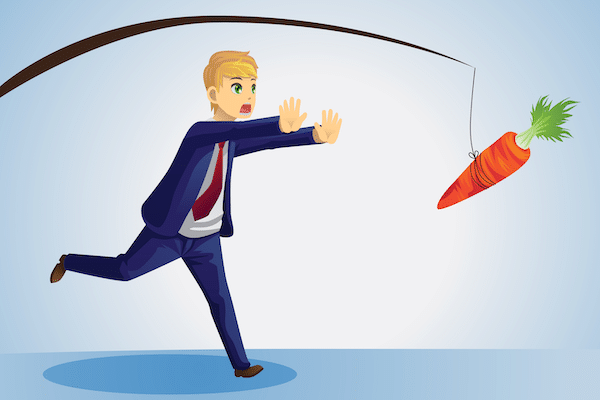
Part 1: The “Yes” Trap — How Available Balance Leads to Debt Quicksand
You’re making payments. You’re trying to get ahead. But no matter how often you chip away at your credit card, it feels like you’re stuck. Why is it so hard to pay it off?
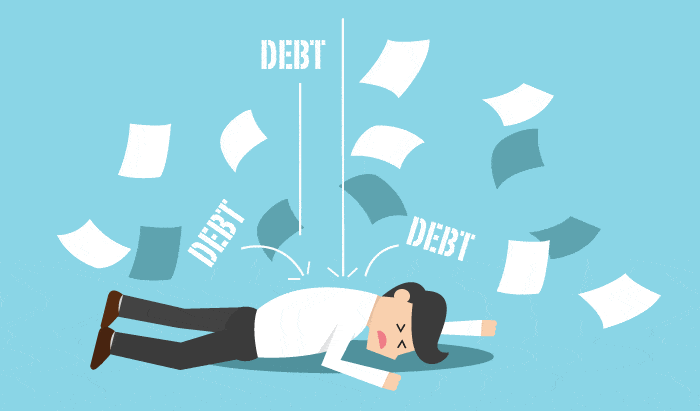
Here’s the truth: credit cards are designed like quicksand. Easy to step into. Hard to climb out of. And the deeper you go, the more stuck in it you get. And, if you do nothing – you will sink.
In this 3-part series, we’ll explain credit card quicksand, explore how you get stuck in it—and teach you how to avoid it. First up? The deceptively simple way most of us end up in the pit: by saying “yes” to spending we wouldn’t have agreed to if we were paying in cash.
The Lure of “Available Balance”
When you check your bank account and see $62 left until payday, the decision to buy something is pretty straightforward: I can’t.
But when you see a credit card with an available balance of $2,500? The question becomes, Could I cover this? —not Should I?
That available balance feels like found money. It removes the natural friction a cash budget creates—and replaces it with flexibility that feels liberating in the moment. But that small “yes” opens the door to long-term costs that often go ignored until they’re overwhelming.
Why That “Yes” Costs More Than You Think
Let’s break it down:
- You see a $500 purchase. You swipe.
- Your card interest rate is 24%.
- Your minimum payment is $25/month.
Here are the facts:
- The minimum payment is comfortably within your budget, so you end up doing that.
- By only paying the minimum, it will take you 2 years (26 months) to pay off.
- Over that period, you’ll pay ~$144.94 in interest.
- That $500 purchase actually cost you $644.94 in total. (try our free credit card payoff calculator)
That $500 splurge? It cost you 29% more than it looked like it did at checkout.
And now, multiply that by several swipes—groceries, gas, a few takeout nights—and suddenly you’re carrying a balance close to your credit limit. But that minimum payment is less comfortably within your budget.
Welcome to the Quicksand
Here’s what makes credit card debt so sticky:
- At higher balances, most minimum payments cover interest, not the actual balance. You may feel like you’re doing something… but you’re not reducing the balance owed by much.
- Interest compounds silently.
Interest is charged daily. Every day, your outstanding balance has a cost—even if you don’t swipe again. That 24% is divided by 365 (number days in a year). That is your daily interest rate. Every day, that daily rate is what it costs you for the outstanding balance. - It feels manageable—until it’s not.
$25 here, $40 there… then life throws you a curveball, and suddenly you can’t even keep up with minimums.
That’s how credit turns into quicksand: slow, subtle, and emotionally draining. And it often starts with a well-intentioned yes.
A New Way to See the “Yes”
Before you spend on credit, ask:
- “Would I do this if I had to pay in cash today?”
- “Is this purchase adding value—or adding stress?”
- “Is this purchase worth more to me than the price it is today?” Because in the end, you’re going to pay more for it if you borrow on the card.
This isn’t about guilt. It’s about awareness. When you start questioning the “yes,” you start protecting yourself from the quicksand.
Final Thought: One “Yes” Doesn’t Have to Lead to a Lifetime of Debt
You’re not weak for using credit. You’re human—and you’re navigating a system designed to keep you paying longer and paying more than you planned. But you can change the story. One more conscious decision at a time.
At Dealing With Debt, we help you understand how credit is designed to work against you—and how you can flip the script. Our mission is to reduce financial stress, build confidence, and create a more stable future—one budget at a time.
Up Next in the Series:
Part 2: Emergencies Don’t Wait — How Crisis Spending Starts the Spiral
Part 3: Lifestyle Creep — The Slow Drift Into Long-Term Debt



Eye opening for those who do not understand how credit cards work. It takes lots of discipline to not spend on credit card. On the other hand you also need to use credit card to increase your credit score. Only spend enough on your credit card that you think end of the month you can easily pay it off.
As per this post, if you are going to struggle to pay off the balance then you need to discipline your self for those purchase decisions that you have made.