
The Connection Between Debt and Stress
This entry is part 7 of 8 in the series Improving Wellness

Debt and Stress: Understanding the Connection

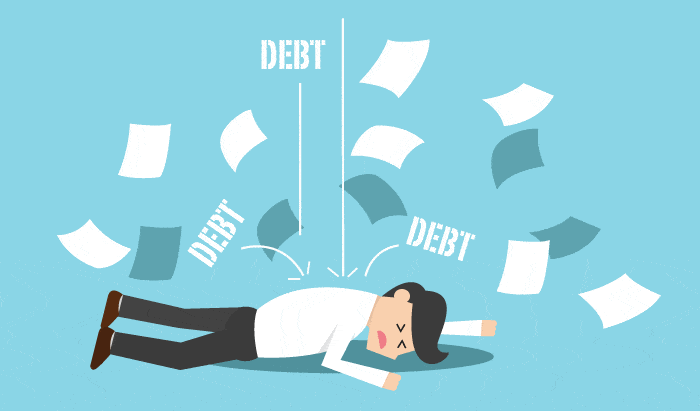
Financial strain can feel like a heavy burden—not just on your budget, but on your body and mind. At Dealing With Debt, we know that money stress is more than just a number. It’s something that affects your health, your relationships, and your overall well-being.

That’s why addressing debt means more than crunching numbers. It means understanding how stress shows up—and learning how to manage it with intention.


How Financial Stress Affects Your Health

When debt builds up, it often triggers a cascade of emotional and physical responses, including:

  • Sleep Disruption: Worries about bills and budgeting can lead to restless nights.

  • Mental Health Struggles: Anxiety, depression, and a persistent sense of overwhelm are common.

  • Physical Symptoms: Stress can lead to headaches, high blood pressure, or heart-related issues.

  • Strained Relationships: Financial tension can drive emotional distance or arguments.

Recognizing these effects is an important first step. When you can name the stress, you can start to manage it.


Identifying Your Personal Stress Triggers

Stress often comes with specific, high-pressure events. Common triggers include:

  • Unexpected Expenses: Medical bills, car repairs, or job loss.

  • Mounting Debt: Feeling like the balance is growing faster than you can pay it down.

  • Lack of Financial Knowledge: Uncertainty about next steps can deepen anxiety.

Understanding what sets off your stress can help you take back control.


A Practical Framework for Managing Financial Stress

At DWD, we believe in proactive steps that reduce both debt and stress. Here’s how to get started:

1. Acknowledge What You’re Feeling

Admitting that you’re stressed is not weakness—it’s the start of change.

2. Track Your Spending

See where your money is going. Awareness opens the door to better decisions.

3. Set Small, Realistic Goals

Start with one achievable target. Momentum builds confidence.

4. Seek Support

You’re not alone. Our coaches and community offer practical tools and encouragement.

5. Prioritize Self-Care

Simple habits—like a walk, deep breathing, or quiet time—can calm your system and clear your mind.


Long-Term Financial Health Starts with Stress Awareness

Managing financial stress is an ongoing process, not a one-time fix. At Dealing With Debt, we’re here to support you with expert guidance, practical tools, and a judgment-free community.

Explore our resources and take one small step today. You deserve less stress, more clarity, and a future you can feel good about—one budget at a time.


At Dealing With Debt, our mission is to reduce financial stress, build confidence, and create a more stable future—one budget at a time. Through expert guidance, practical tools, and a supportive community, we help people take control of their finances and improve their overall well-being.


Related Articles

When Security Feels Shaky

This entry is part 4 of 8 in the series Improving Wellness

This entry is part 4 of 8 in the series Improving WellnessIf You’re Feeling Uneasy, It’s Okay—These Are Uneasy Times. If you’ve been feeling more anxious than usual lately—about your job, your finances, your future—you’re not alone. The unease you’re feeling isn’t just personal. It’s systemic, and it’s everywhere. These are uneasy times. From rising debt and unstable job markets to cultural division, global conflict, and constant shifts in workplace policy, today’s world feels like…

Quick Fixes to Alleviate Financial Stress

This entry is part 9 of 8 in the series Improving Wellness

This entry is part 9 of 8 in the series Improving WellnessQuick Fixes for Financial Stress: Simple Strategies That Help When bills pile up and money feels tight, it’s not just your budget that suffers—your body and mind feel the pressure, too. At Dealing With Debt, we understand that financial stress has a way of sneaking into every part of daily life. While long-term solutions are key, sometimes what you need most is a quick…

How to Handle Difficult Conversations with Colleagues

This entry is part 2 of 8 in the series Workplace Success

This entry is part 2 of 8 in the series Workplace SuccessHow to Handle Difficult Conversations with Colleagues (Without Damaging the Relationship) Work relationships are built on more than shared tasks—they’re built on trust, respect, and the ability to talk through tough moments. Whether it’s a disagreement about a project, a clash in communication styles, or tension sparked by personal views shared at lunch, difficult conversations with colleagues are part of every workplace. The key…

Gambling Apps Are Coming for Your Pizza Money

This entry is part 5 of 8 in the series Improving Wellness

This entry is part 5 of 8 in the series Improving WellnessA Parent’s Wake-Up Call About College Kids & Gambling Apps I used to think the biggest late-night surprise from my college-aged kids would be a Venmo request for pizza or a textbook they forgot to budget for. But lately, I’ve started hearing different kinds of stories. Stories that don’t end in a laugh or a shared eye-roll. Stories that sit heavy in my chest….

Why Don’t We Talk About Money?

This entry is part 2 of 8 in the series Improving Wellness

This entry is part 2 of 8 in the series Improving WellnessTalking Will Lead To A Healthier Relationship With Your Money We’ve come a long way as a society when it comes to discussing the once-undiscussable. There was a time when speaking openly about race was considered inappropriate. Talking about sex? Off-limits. Identity, orientation, mental health—each of these topics, once shrouded in stigma, have gradually made their way into the light through honest, collective conversation….

Responses