
The Great American Credit Trap (And How to Disarm It)


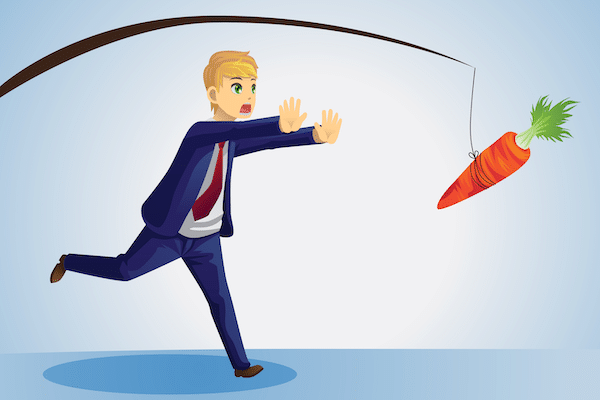
Credit as bait. Interest as the hook. Learn to cut the line.
Imagine you walk into a casino. The chips are free. The drinks are flowing. Every table has flashing lights and someone shouting, “You’re already approved!”
You sit down. You play. You lose.
And then the pit boss strolls over and says, “Don’t worry. We’ll just add it to your tab.”
Welcome to the modern credit economy.
In this game, you’re not the player—you’re the product. And if you don’t know how the system works, it will bleed you dry. Not all at once, of course. That would be too obvious. This is death by a thousand interest payments.
Let’s break it down.
The Setup: How the Trap Works
From the time you get your first paycheck, you’re taught one thing: spend.
Buy the car. Get the card. Upgrade the phone. Finance the couch—why not? It’s 0% for six months!
But here’s what they don’t tell you:
Debt isn’t bad because you owe money. Debt is bad when someone else controls the terms.
The average American carries over $104,000 in debt, spread across credit cards, student loans, car payments, medical bills, and mortgages. That’s not a fluke. That’s a business model.
Credit card interest rates now sit north of 20%. Meanwhile, your savings account earns 0.3% if you’re lucky. That’s not an accident either. That’s the spread. And that’s how the banks make billions—off people just trying to make rent and buy groceries.
Even the government plays the game. They’re $35 trillion in the hole and still throwing money around like confetti at a New Year’s Eve party. And why not? They can print more.
You can’t.
The Psychology of Debt
Credit doesn’t just trap you financially. It messes with your head.
You start to believe:
- “I’ll never get out.”
- “This is just how life is.”
- “If I can make the minimum payment, I’m okay.”
But here’s the twist: you don’t owe the banks your shame.
Yes, you made choices. But you were playing a rigged game. The shame doesn’t belong to you. It belongs to the people who sold you a dream with fine print attached.
The Escape: Disarming the Trap
Here’s how you flip the board:
- Know the Real Cost
-
-
- That $3,000 balance at 22%? If you only pay the minimum, you’ll still be paying it off when your grandkids are in high school. Run the math. Let it tick you off. Then use that energy.
- That $3,000 balance at 22%? If you only pay the minimum, you’ll still be paying it off when your grandkids are in high school. Run the math. Let it tick you off. Then use that energy.
-
- Stop Feeding the Beast
-
-
- No new debt while you’re digging out. That’s like trying to bail water while the faucet’s still on. Lock the cards. Freeze them in a block of ice if you have to. (Not a metaphor. Old-school trick. Still works.)
- No new debt while you’re digging out. That’s like trying to bail water while the faucet’s still on. Lock the cards. Freeze them in a block of ice if you have to. (Not a metaphor. Old-school trick. Still works.)
-
- Build a Survival Fund
- Even $500 in cash changes everything. Why? Because when a crisis hits—car repair, medical bill—you won’t need to swipe your way deeper into the hole.
- Use the System Against Itself
-
- This one’s the kicker—and we’ll go deeper in future posts. But here’s the gist: debt is a tool. Once you’re stable, you can borrow to buy assets instead of liabilities. That’s how the wealthy play. They borrow to invest. You can too—when you’re ready.
Final Thought
The first rule of escaping a trap?
Admit you’re in one.
But don’t stop there. Learn how it was built. Learn who profits from it. And then start sawing through the bars—one payment, one budget, one financial boundary at a time.
Because the truth is, you’re not powerless. You’ve just been unarmed.
Until now.


Responses